
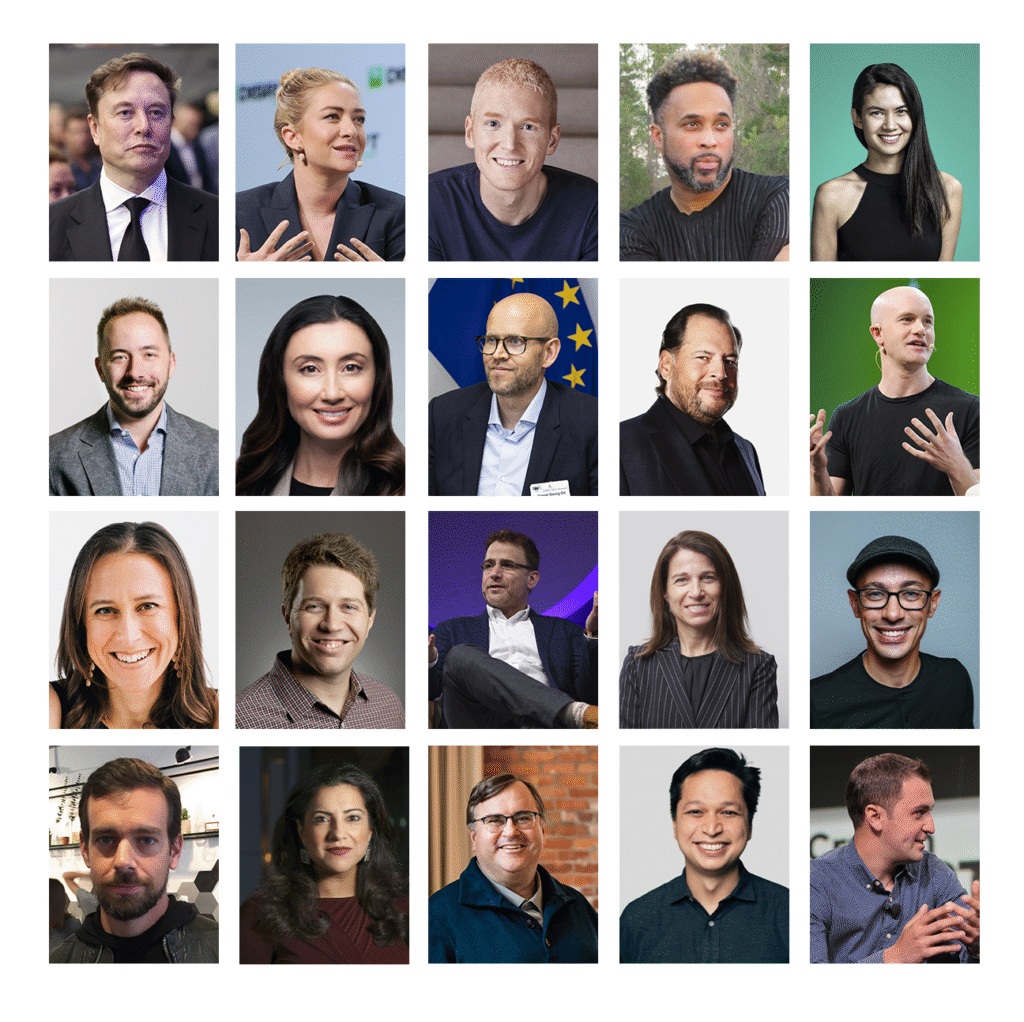
There is a quiet kind of power that doesn’t announce itself with noise or spectacle. It lives in the people who see systems as they are, imagine what they could become, and then commit, day after day, to doing the work of transformation from within. These are not entrepreneurs chasing attention, but builders driven by purpose, curiosity, and responsibility. They understand that real change doesn’t always come from tearing things down, but from redesigning them.
In this article, we meet entrepreneurs who are transforming industries from the inside out: rethinking how we work, connect, shop, move, heal, and create. Their impact isn’t measured only by scale or valuation, but by the shifts they’ve sparked in culture, access, and possibility. Each story is a reminder that leadership begins with intention, and that when vision meets integrity, industries evolve.
Elon Musk

Elon Musk is a U.S.-based entrepreneur known for founding and leading companies in transportation, energy, and aerospace. He is the CEO of Tesla, which designs and manufactures electric vehicles and energy systems, and the founder of SpaceX, an aerospace company focused on reusable rockets. Musk is also associated with ventures such as Neuralink and The Boring Company, which explore neurotechnology and infrastructure solutions.
At Tesla, Musk has overseen the expansion of electric vehicle production and the development of battery and energy storage technologies. SpaceX has achieved milestones in commercial spaceflight, including reusable launch systems and contracted missions with NASA. His work has contributed to cost reductions and increased private-sector participation in space exploration.
Musk’s current focus spans scaling electric mobility, advancing spaceflight capabilities, and supporting applied technology research. His companies operate at the intersection of engineering, manufacturing, and long-term infrastructure planning. Collectively, his work continues to influence how private enterprises participate in traditionally public sectors.
Whitney Wolfe Herd
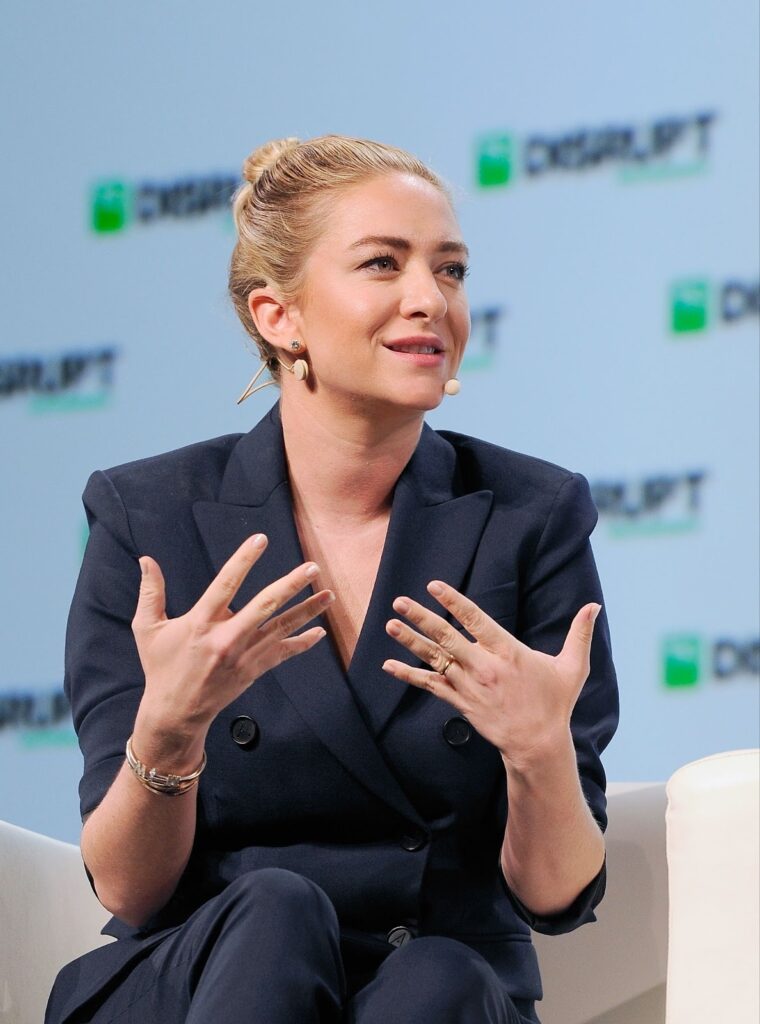
Whitney Wolfe Herd is the founder and CEO of Bumble, a U.S.-based technology company focused on online dating and social networking. She launched Bumble in 2014 with a product model designed to give women greater control over initiating conversations. The company later expanded into friendship and professional networking features.
Under her leadership, Bumble grew into a publicly traded company, listing on Nasdaq in 2021. Wolfe Herd has overseen product expansion, international growth, and brand positioning centered on user safety and respectful interaction. Her role has been closely tied to shaping Bumble’s product governance and community standards.
Today, Wolfe Herd remains involved in Bumble’s strategic direction and long-term growth. Her work is often cited in discussions about consumer technology leadership and platform design. She continues to influence how digital products approach trust, engagement, and user experience.
Patrick Collison

Patrick Collison is the co-founder and CEO of Stripe, a U.S.-based financial technology company that provides online payment infrastructure. He founded Stripe with his brother John to simplify payment processing for internet businesses. The company serves startups and large enterprises across global markets.
Stripe has played a significant role in enabling digital commerce by offering developer-focused tools and APIs. Under Collison’s leadership, the company expanded into billing, fraud prevention, and financial services products. Stripe has supported the growth of thousands of online platforms and software businesses.
Collison continues to focus on scaling Stripe’s global infrastructure and improving financial access for internet-based companies. He is also involved in research and policy discussions related to economic growth and technology. His work remains central to the evolution of online financial systems.
L.Lectric

Born on August 20, 1985, L.Lectric is a visionary artist whose journey began in the heart of the church and evolved into a powerful music career defined by resilience, originality, and passion. With roots grounded in gospel and a voice sharpened by years of independent recording, L.Lectric made an official debut in 2007 with Filthy Temptations, recorded at Rex Recording Studio. That project opened doors, attracting the attention of producers and recording companies alike.
Over the years, L.Lectric collaborated with notable names on impactful tracks such as Reghul’s “Don’t Understand,” Willy Lapache’s “Fraudulent Activity” and “Don’t Funk With Me,” Alvin Cordaro’s “Control It,” and Hector Abner’s “Who I Am.” The latter also marked the release of L.Lectric’s first official music video in 2020, co-directed by Erwin Saul. Their stage presence has been felt across prestigious platforms including Premio Líder International and the Tacarigua Awards.
L.Lectric’s artistic identity is shaped by perseverance through challenges, staying true to the vision despite setbacks, and building a legacy rooted in authenticity. Every experience, every lesson, and every performance contributes to the evolution of an artist who refuses to be boxed in.
In 2026, L.Lectric is set to launch a powerful new chapter. The year includes the release of more than four new songs and music videos, a fresh line of branded fashion items, major collaborations, and the official launch of a new music and business company. L.Lectric will also debut on the big screen with a new film appearance, further expanding their creative reach and impact.
Melanie Perkins

Melanie Perkins is the co-founder and CEO of Canva, a U.S.-based design software company. She helped launch Canva to make graphic design more accessible to non-professionals. The platform provides web-based tools for creating visual content across industries.
Canva has grown into a widely used design platform, serving individuals, businesses, and educational institutions. Perkins has overseen product expansion, enterprise offerings, and international growth. The company has also integrated collaboration and AI-assisted design features.
Perkins continues to guide Canva’s product vision and global strategy. Her work focuses on usability, scale, and education-driven adoption. She is recognized for building a design platform with broad commercial and social applications.
Drew Houston

Drew Houston is the co-founder and CEO of Dropbox, a U.S.-based cloud storage and collaboration company. He launched Dropbox to simplify file storage and synchronization across devices. The company provides tools for individuals and organizations to manage digital content.
Dropbox became an early leader in consumer cloud storage before expanding into enterprise collaboration software. Houston led the company through its public offering in 2018 and subsequent product diversification. Dropbox has focused on remote work enablement and productivity tools.
Houston remains active in shaping Dropbox’s long-term strategy and product direction. His work centers on distributed work models and digital collaboration. He continues to influence how teams store, share, and manage information.
Katrina Lake

Katrina Lake is the founder of Stitch Fix, a U.S.-based online personal styling service. She started the company to combine data science with human stylists for apparel recommendations. Stitch Fix delivers curated clothing selections directly to consumers.
Under Lake’s leadership, Stitch Fix developed a hybrid model blending algorithms and merchandising expertise. The company became publicly traded in 2017 and expanded its offerings across categories. Lake emphasized operational transparency and data-driven decision-making.
Lake continues to be involved in entrepreneurship and board-level leadership. Her work is frequently referenced in discussions on data-enabled retail. She remains influential in technology-driven consumer commerce.
Daniel Ek

Daniel Ek is the co-founder and CEO of Spotify, a U.S.-based audio streaming company. He helped launch Spotify to provide legal, on-demand access to music at scale. The platform later expanded into podcasts and audiobooks.
Spotify transformed music distribution by offering subscription and ad-supported streaming models. Ek has overseen licensing agreements, global expansion, and creator-focused monetization tools. The company became publicly listed in 2018.
Ek continues to guide Spotify’s growth and product diversification. His work focuses on creator economics and platform sustainability. Spotify remains a central player in digital audio consumption.
Marc Benioff

Marc Benioff is the founder and CEO of Salesforce, a U.S.-based enterprise software company. He launched Salesforce to deliver customer relationship management software through cloud-based delivery. The company pioneered software-as-a-service adoption for enterprises.
Salesforce expanded its offerings through internal development and acquisitions. Benioff led the company through decades of growth and multiple product verticals. Salesforce serves organizations across industries worldwide.
Benioff remains involved in corporate strategy and product vision. His work continues to shape enterprise cloud computing. Salesforce remains influential in business software ecosystems.
Brian Armstrong
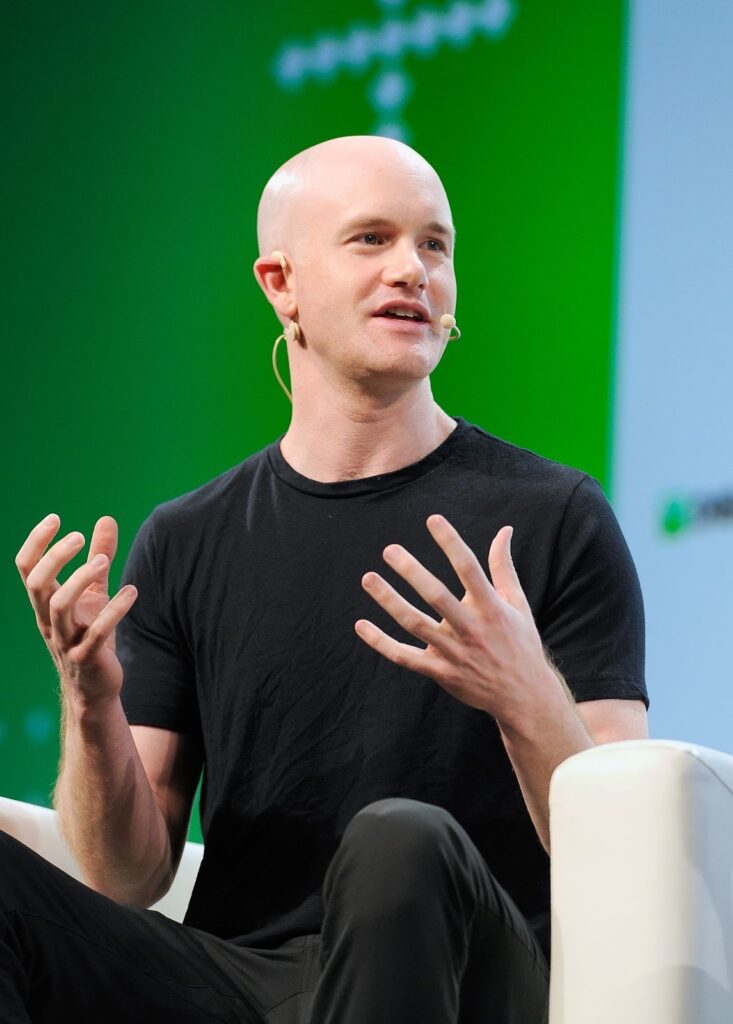
Brian Armstrong is the co-founder and CEO of Coinbase, a U.S.-based cryptocurrency exchange platform. He founded the company to provide consumer access to digital assets. Coinbase offers trading, custody, and compliance-focused services.
Coinbase became one of the first major crypto companies to go public in the U.S. Armstrong has overseen regulatory engagement and platform security initiatives. The company serves both retail and institutional customers.
Armstrong continues to focus on expanding crypto infrastructure and financial access. His work is central to discussions on regulated digital asset markets. Coinbase remains a prominent platform in the sector.
Anne Wojcicki

Anne Wojcicki is the co-founder and CEO of 23andMe, a U.S.-based consumer genetics and biotechnology company. She launched the company with the goal of giving individuals direct access to their genetic information. 23andMe provides DNA testing services focused on ancestry, traits, and health-related insights. Wojcicki has played a central role in shaping the company’s consumer-facing approach to genomics.
Under her leadership, 23andMe became one of the most recognized names in direct-to-consumer genetic testing. The company has worked within regulatory frameworks to expand its health reports and research capabilities. Wojcicki has also overseen the development of a large genetic research database, supported by customer consent. This dataset has enabled collaborations in medical research and drug discovery.
Today, Wojcicki continues to focus on integrating genetics into healthcare and scientific research. Her work sits at the intersection of consumer technology, biotechnology, and data science. She remains an influential figure in discussions about personalized medicine and health data access. 23andMe continues to evolve as both a consumer platform and a research-driven company.
Garrett Camp

Garrett Camp is a U.S.-based entrepreneur best known as the co-founder of Uber. He helped originate the idea for the ride-hailing platform as a solution to inefficient urban transportation. Camp was instrumental in the early conceptualization and product direction of the company. Uber was designed to connect riders and drivers through mobile technology.
As Uber expanded, the platform scaled rapidly across cities in the United States and internationally. The company introduced new service categories, including shared rides, premium options, and logistics-based offerings. Camp’s early contributions helped establish Uber’s product-first approach and focus on user experience. Uber became a defining company in the on-demand economy.
Camp remains active as a technology entrepreneur and investor. He has continued to work on product-driven ventures and emerging technologies. His career reflects a focus on scalable platforms and consumer-facing innovation. Camp’s influence is often noted in discussions about mobility and digital marketplaces.
Stewart Butterfield

Stewart Butterfield is the co-founder of Slack, a U.S.-based workplace communication platform. Slack was originally developed to improve internal communication during a separate product effort. The tool quickly evolved into a standalone platform designed for team messaging and collaboration. Butterfield played a key role in shaping Slack’s product philosophy and design.
Slack experienced rapid adoption among technology companies and large enterprises. Under Butterfield’s leadership, the platform expanded its integrations, security features, and enterprise capabilities. Slack went public in 2019 and later became part of Salesforce through an acquisition. The platform became widely used during the shift toward remote and hybrid work.
Butterfield continues to be recognized for his contributions to collaboration software and product design. His work emphasizes clarity, usability, and thoughtful communication systems. Slack remains a core tool for many organizations worldwide. Butterfield’s career reflects long-term impact on how teams communicate digitally.
Julie Bornstein

Julie Bornstein is the founder and CEO of Daydream, a U.S.-based digital commerce company focused on fashion discovery. She launched Daydream to create a more curated and editorial-driven online shopping experience. The platform blends content, product recommendations, and brand storytelling. Bornstein’s approach draws from her background in retail and technology leadership.
Prior to founding Daydream, Bornstein held senior executive roles at major consumer and technology companies. She worked at Sephora, where she helped expand digital commerce capabilities, and later held leadership positions at Stitch Fix. Her experience spans merchandising, brand strategy, and digital transformation. These roles informed Daydream’s focus on discovery and personalization.
Bornstein continues to lead Daydream’s strategic and product direction. Her work centers on rethinking how consumers engage with fashion online. She is often cited for bridging traditional retail expertise with modern technology platforms. Daydream reflects an ongoing evolution in content-led commerce.
Tobias Lütke

Tobias Lütke is the founder and CEO of Shopify, a U.S.-based e-commerce software company. He built Shopify to help merchants easily create and manage online stores. The platform was designed to lower technical barriers for entrepreneurship. Shopify supports businesses across a wide range of sizes and industries.
Under Lütke’s leadership, Shopify expanded beyond storefront creation into payments, logistics, and point-of-sale systems. The company became publicly traded and scaled globally. Shopify enabled many independent businesses to compete in digital commerce. Lütke has emphasized product quality and developer-friendly infrastructure.
Lütke remains actively involved in Shopify’s long-term product vision. His work focuses on merchant empowerment and scalable commerce infrastructure. Shopify continues to influence how businesses operate online. Lütke is widely respected for his engineering-driven leadership style.
Jack Dorsey

Jack Dorsey is a U.S.-based entrepreneur and co-founder of Twitter and Square, now known as Block. Twitter was created as a real-time communication platform centered on short-form public messaging. Square was founded to simplify digital payments for small and medium-sized businesses. Dorsey played key roles in the early growth of both companies.
Twitter became one of the most widely used social media platforms globally. Square expanded its product offerings into point-of-sale systems and financial services tools. Dorsey helped guide both companies through periods of rapid scaling and public listings. His work spans consumer technology and financial innovation.
Dorsey continues to focus on technology and financial tools. He has remained engaged in product development and entrepreneurial experimentation. His career reflects long-term involvement in platform-based businesses. Dorsey’s influence remains significant in both social and financial technology sectors.
Reshma Saujani

Reshma Saujani is the founder of Girls Who Code, a U.S.-based nonprofit organization focused on technology education. She established the organization to address the gender gap in computer science and engineering. Girls Who Code provides educational programs, clubs, and resources for students nationwide. Saujani has been central to the organization’s mission and expansion.
Girls Who Code has reached hundreds of thousands of students across the United States. The organization partners with schools, companies, and institutions to deliver curriculum and mentorship. Saujani has overseen the development of programs aimed at workforce readiness. Her work emphasizes long-term systemic change in education.
Saujani remains active as an advocate for education and leadership development. She frequently speaks about access, opportunity, and skills training. Her work has influenced public and private sector approaches to technology education. Girls Who Code continues to shape future talent pipelines.
Reid Hoffman

Reid Hoffman is a U.S.-based entrepreneur and co-founder of LinkedIn, the professional networking platform. LinkedIn was designed to connect professionals and facilitate career development. Hoffman played a key role in shaping the platform’s early strategy and growth. The company became widely adopted across industries.
LinkedIn went public in 2011 and was later acquired by Microsoft. Hoffman remained involved as an advisor and board member. Beyond LinkedIn, he has been active as an investor and mentor within the technology ecosystem. His work has supported the growth of numerous startups.
Hoffman continues to engage in entrepreneurship, investing, and business education. He is known for contributing to discussions on scaling companies and innovation. His influence extends beyond a single platform. Hoffman remains a respected figure in technology and venture development.
Ben Silbermann

Ben Silbermann is the co-founder and CEO of Pinterest, a U.S.-based visual discovery platform. Pinterest allows users to discover, save, and organize ideas through images and links. Silbermann helped build the platform around inspiration rather than social interaction. The product focuses on planning and discovery.
Pinterest expanded into areas such as shopping, advertising, and creator tools. Under Silbermann’s leadership, the company became publicly traded. Pinterest has been used across categories including home, fashion, food, and travel. The platform emphasizes positive and intentional user engagement.
Silbermann continues to guide Pinterest’s long-term strategy. His work centers on visual search and commerce integration. Pinterest remains influential in how people discover ideas online. Silbermann’s leadership reflects a focus on product purpose and usability.
John Zimmer
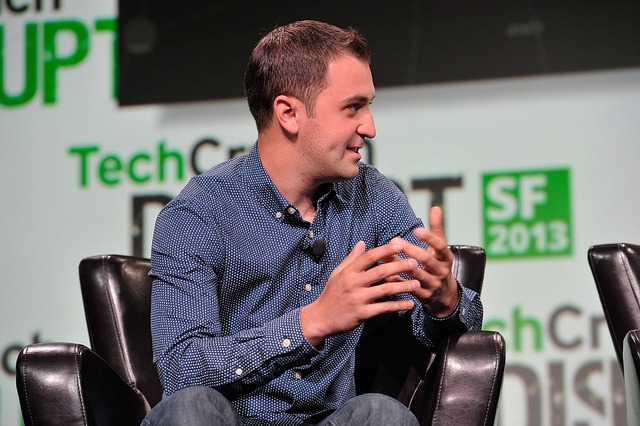
John Zimmer is the co-founder and president of Lyft, a U.S.-based ride-hailing company. He helped build Lyft as an alternative approach to urban transportation. The platform connects drivers and riders through a mobile application. Zimmer has been involved in shaping Lyft’s growth strategy.
Lyft expanded across major U.S. markets and later became publicly traded. Zimmer has overseen operational scaling and policy engagement. The company also explored mobility solutions such as bikes and scooters. Lyft positioned itself around community and access.
Zimmer remains involved in Lyft’s strategic direction. His work focuses on transportation systems and platform governance. Lyft continues to influence shared mobility in the United States. Zimmer is recognized for his role in modern transportation platforms.