The United States’ Strategic Petroleum Reserve (SPR)—the nation’s emergency stockpile of crude oil—is showing signs of serious strain after years of repeated large-scale withdrawals, raising concerns about whether it will be able to respond effectively to future energy crises. Aging infrastructure, mechanical failures and decades of deferred maintenance are combining with historically frequent oil releases to weaken a system originally built to protect the country from major supply disruptions.
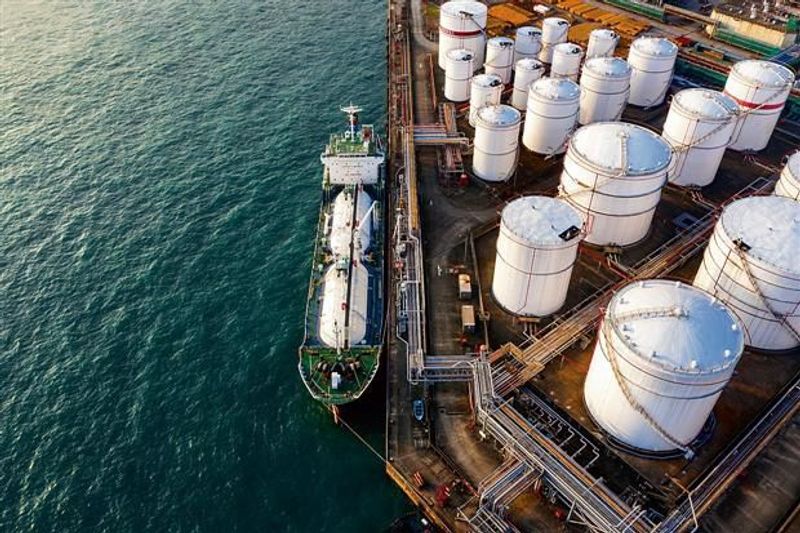
The SPR was created after the 1970s oil embargo to provide an emergency buffer during wars, natural disasters or severe interruptions to global oil supplies. Stored inside 60 massive underground salt caverns along the Gulf Coast, the reserve was engineered for occasional use rather than repeated large drawdowns. Over the past four years, however, both the Biden and Trump administrations have relied heavily on the reserve to stabilize gasoline prices and respond to international conflicts. Approximately 352 million barrels have been released during that period—nearly half of the reserve’s total capacity.
Those repeated withdrawals are accelerating wear on the system. Every time oil is pumped out and later replaced, equipment such as pumps, valves and pipelines experiences additional stress, while the underground salt caverns themselves gradually deteriorate. Experts said that the reserve was originally expected to withstand roughly five full drawdown cycles, but decades of emergency releases and congressionally mandated sales have pushed the infrastructure far beyond that design expectation. Equipment failures, fractured wells and leaking pumps are becoming increasingly common, reducing the reserve’s ability to deliver oil rapidly during an emergency.
The operational consequences are already measurable. The SPR’s maximum daily withdrawal capacity has fallen to about 2.7 million barrels per day, well below its intended capacity of 4.4 million barrels per day. At the same time, the Department of Energy estimates a maintenance backlog of roughly $230 million, reflecting years of underinvestment in modernization and repairs. Government Accountability Office officials have also warned that Congress and the Energy Department still lack a unified long-term strategy defining how large the reserve should be and how it should be maintained.
The problem has become more urgent because of recent geopolitical tensions. During the U.S.-Iran conflict, Washington relied heavily on the reserve to help stabilize global oil markets and limit spikes in gasoline prices. The latest emergency releases have pushed SPR inventories to their lowest level since 1983, leaving substantially less oil available if another international crisis, major hurricane or domestic supply disruption occurs before the reserve is rebuilt.
Officials emphasize that the reserve remains operational and continues to serve its strategic purpose. The Department of Energy says some recent releases were structured as exchange agreements, meaning borrowed oil will eventually be returned with additional barrels as compensation. The administration also plans to gradually replenish inventories over the coming years as market conditions allow. However, rebuilding the reserve requires not only purchasing crude oil but also repairing aging infrastructure that has deteriorated after decades of use.
The debate extends beyond oil prices. Energy experts increasingly view the Strategic Petroleum Reserve as an essential component of national security rather than simply an economic tool. As global conflicts, cyber threats and climate-related disasters become more frequent, maintaining a reliable emergency fuel supply may prove just as important as keeping inventories full. Without significant modernization and sustained investment, analysts warn that the reserve could struggle to respond as effectively during the next major crisis.
The Strategic Petroleum Reserve has been invaluable in helping cushion recent energy shocks, but repeated use has exposed the limits of an aging system. Unless substantial repairs and long-term planning accompany future replenishment efforts, one of America’s most important energy security assets may become progressively less capable precisely when it is needed most.