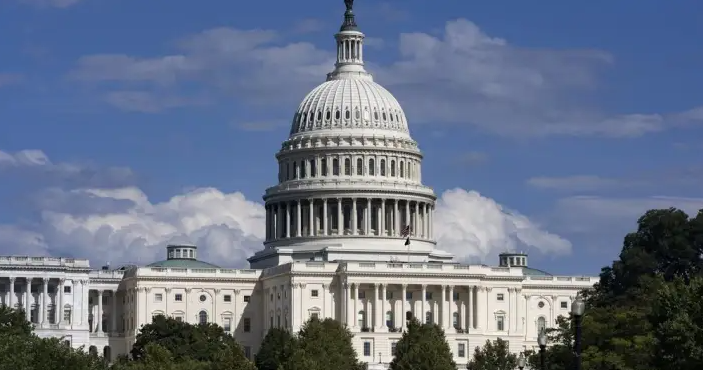
The Republican-controlled U.S. House of Representatives has approved a temporary spending measure intended to prevent most federal agencies from shutting down shortly before the November midterm elections. The legislation would maintain current government funding through December 4, giving Congress additional time to negotiate longer-term spending bills after voters go to the polls.
The measure is known as a continuing resolution, or CR. Rather than establishing new annual budgets for every federal department and program, it temporarily extends existing funding levels. Congress often relies on these stopgap bills when lawmakers cannot complete the regular appropriations process before the beginning of a new fiscal year.
The immediate deadline is September 30, when funding for most federal programs is scheduled to expire. Without new legislation, affected agencies would begin shutdown procedures at midnight. Some employees could be furloughed, while others performing duties considered essential would continue working, potentially without receiving their salaries until Congress restores funding.
By extending spending authority until December 4, House Republicans are attempting to remove the threat of a shutdown from the final weeks of the election campaign. A funding lapse immediately before the November vote could disrupt federal services, damage public confidence and expose lawmakers from both parties to political criticism. Delaying the deadline until after the election allows members of Congress to campaign without an immediate budget crisis dominating the national debate.
The House vote does not guarantee that a shutdown will be avoided. The legislation now moves to the Senate, where Republican leaders have been discussing their own temporary funding proposal with Democrats. Because most major legislation requires bipartisan support to advance through the Senate, negotiators will need to resolve any differences between the two chambers before a final measure can be sent to President Donald Trump.
Those negotiations could become complicated if senators seek changes involving spending levels, policy conditions or funding for controversial agencies. Even relatively straightforward continuing resolutions can become politically difficult when lawmakers attempt to attach unrelated priorities or use the approaching deadline to gain leverage.
The temporary bill also leaves Congress’s larger budget responsibilities unresolved. Lawmakers are still expected to complete the annual appropriations measures that determine funding for defense, healthcare, education, transportation, scientific research and numerous other government functions. Extending existing spending simply creates more negotiating time; it does not settle disagreements over the size of the federal budget or how public money should be distributed.
The December 4 deadline could therefore produce another funding confrontation only weeks after the midterm elections. The political environment may be significantly different by then, especially if the election changes the balance of power or weakens the authority of lawmakers who are leaving office. Congress would need to decide whether to approve full-year appropriations, pass another temporary extension or allow funding to lapse.
The timing also means that outgoing members could participate in major spending decisions during the post-election period before a newly elected Congress takes office. That possibility may increase pressure on party leaders to complete negotiations quickly, although election results could also make compromise more difficult.
The House bill represents a preventive political and financial measure rather than a permanent solution. It reduces the immediate risk of a pre-election shutdown and provides additional time for bipartisan negotiations. However, the government will remain vulnerable to another funding crisis unless the House, Senate and White House reach a broader agreement before December 4.