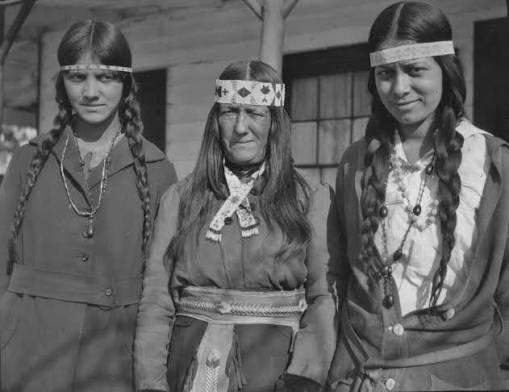
The Pamunkey Indian Tribe, one of the oldest federally recognized Native American tribes in the United States, is moving forward with plans to transform 13 acres of newly acquired land in King William County, Virginia, into a cultural and educational campus designed to preserve tribal heritage, strengthen community life and educate the public about Indigenous history. Tribal leaders describe the project as a long-term investment in cultural preservation rather than commercial development, emphasizing that the land will serve future generations while helping correct historical misunderstandings about Virginia’s Native peoples.
The proposed development includes a museum, educational facilities, gathering spaces and cultural programming that would highlight the tribe’s history, traditions and continuing role in American society. Leaders say the campus will provide a permanent location where tribal members can hold ceremonies, language classes, historical exhibitions and community events while welcoming schools, researchers and visitors interested in learning about the Pamunkey Nation. The project reflects a broader effort by Indigenous communities across the United States to reclaim control over how their histories and cultures are presented to the public.
The Pamunkey Tribe traces its history back thousands of years and is among the Indigenous nations encountered by English settlers when they established Jamestown in 1607. The tribe was part of the powerful Powhatan Confederacy led by Chief Powhatan, whose daughter, Pocahontas, became one of the most recognized Native American figures in U.S. history. Despite centuries of conflict, land loss and discrimination, the Pamunkey have maintained their cultural identity and continue living on reservation land in Virginia. They received federal recognition in 2015, becoming the first Virginia tribe to gain that status through the administrative process.
Tribal officials say the new property offers an opportunity to expand beyond the limited space currently available on the reservation. Existing facilities are too small to accommodate growing educational programs, community gatherings and public outreach. By developing a larger campus, the tribe hopes to preserve historical artifacts, expand cultural education and create a destination where visitors can better understand Indigenous perspectives on Virginia’s history. Leaders stress that the project is intended to complement—not replace—the reservation, which remains the spiritual and governmental center of the tribe.
Education is expected to become one of the project’s central missions. The museum and learning center would provide exhibits covering Indigenous life before European settlement, the impact of colonization, tribal governance, traditional crafts, environmental stewardship and the modern achievements of the Pamunkey people. Tribal leaders believe greater public understanding can help challenge stereotypes and demonstrate that Native American communities remain active participants in contemporary American life rather than historical figures confined to textbooks.
The project also aims to strengthen economic opportunities without relying on large-scale commercial development. While tourism associated with the museum and cultural center could generate additional revenue, tribal officials emphasize that financial gain is secondary to cultural preservation and education. The campus may create employment opportunities for tribal members in museum operations, education, conservation and cultural programming while supporting partnerships with universities, historians and public schools.
Community engagement has become an important part of the planning process. Tribal leaders say they are consulting with local governments, neighboring residents and preservation experts to ensure the development respects the surrounding environment while reflecting the tribe’s long-term vision. They also hope to secure grants, philanthropic support and partnerships that will help finance construction and future programming without placing an excessive financial burden on the tribe.
The proposal comes during a period of increasing national attention to Indigenous history and cultural preservation. Across the country, tribes are investing in museums, language revitalization efforts and educational centers that seek to tell their stories through Native voices rather than outside interpretations. For the Pamunkey, the project represents another milestone in a long process of rebuilding institutions after generations of displacement and discrimination.
The planned cultural and educational campus represents far more than a construction project. It reflects the Pamunkey Tribe’s commitment to preserving its heritage, strengthening its community and ensuring that future generations—both Native and non-Native—gain a deeper understanding of one of America’s oldest surviving Indigenous nations. By combining education, cultural preservation and community engagement, the initiative aims to create a lasting institution that honors the past while preparing for the future.