The United States has imposed a one-year ban on the export of selected used critical minerals, marking another major step in the Trump administration’s effort to strengthen domestic supply chains and reduce the nation’s dependence on China for strategically important materials. The new restrictions apply primarily to “black mass”—the shredded material recovered from used lithium-ion batteries—and scrap tungsten, both of which contain valuable metals essential to defense systems, electric vehicles and advanced manufacturing. The policy reflects growing concern that America has been exporting critical raw materials needed for its own industrial and military future.
The Commerce Department’s Bureau of Industry and Security announced the measure after President Donald Trump directed federal agencies to identify critical mineral shortages that could threaten national security. Administration officials concluded that the continued export of recyclable mineral-rich materials was weakening domestic processing capacity while allowing foreign competitors—particularly China—to secure valuable resources that could otherwise be reused within the United States.
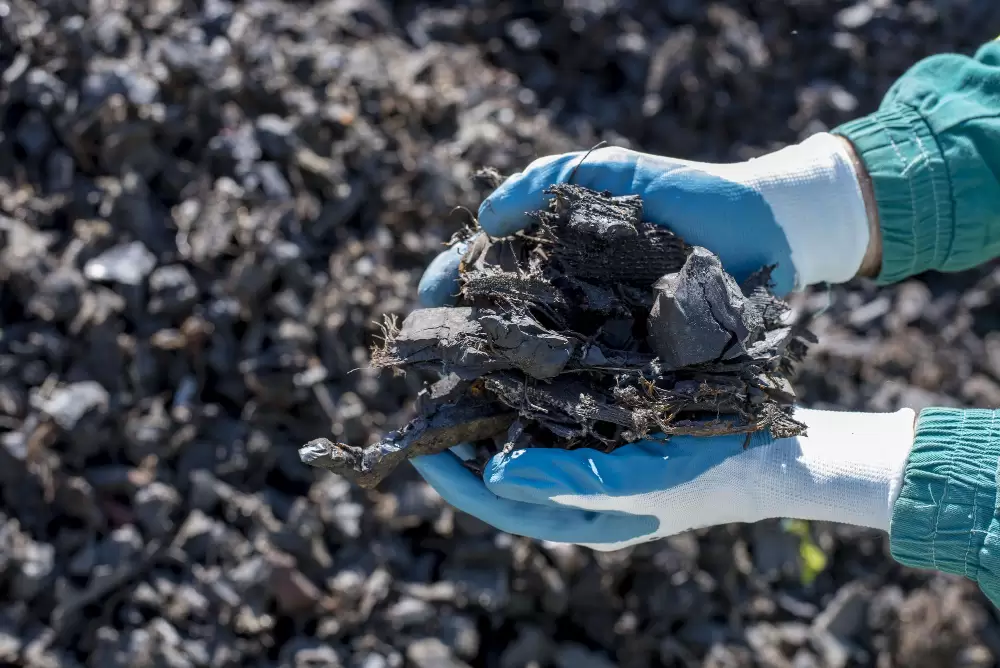
Among the materials covered is black mass, a powder-like substance created when used lithium-ion batteries are shredded. Although considered waste by many consumers, black mass contains recoverable quantities of lithium, nickel, cobalt, graphite and other valuable minerals that are increasingly important for electric vehicles, renewable energy storage and military technologies. Instead of shipping these materials overseas for processing, the administration wants recyclers to sell them to domestic facilities to help establish a stronger American recycling industry.
The restrictions also include scrap tungsten, a metal essential for armor-piercing ammunition, missiles, aerospace components and industrial cutting tools. Global demand for tungsten has surged because of increased defense spending and ongoing geopolitical conflicts, while China continues to dominate global production and processing. The United States currently has limited domestic mining capacity, making recycled tungsten an increasingly important source of supply for manufacturers.
The administration argues that keeping these materials inside the country will encourage investment in domestic recycling and processing facilities. For years, American recyclers have complained that Chinese buyers often paid premium prices for battery scrap and tungsten waste, making it more profitable to export materials than process them domestically. As a result, much of the value created by recycling was captured overseas rather than supporting U.S. industry.
The policy forms part of a broader strategy aimed at reducing America’s reliance on Chinese-controlled mineral supply chains. China currently dominates the refining and processing of many critical minerals used in semiconductors, batteries, defense equipment and clean-energy technologies. Recent Chinese export restrictions on several strategic materials have intensified concerns in Washington that supply disruptions could threaten U.S. manufacturing and military readiness.
Industry reaction has been mixed. Domestic recyclers and companies investing in battery-material recovery generally welcomed the decision, arguing that retaining valuable scrap inside the United States will help justify new processing facilities and create jobs. Some manufacturers also support the measure because a larger domestic supply of recycled materials could improve long-term supply security. However, exporters and some traders warn the restrictions could temporarily reduce revenues, disrupt existing contracts and increase short-term market uncertainty while domestic processing capacity continues to expand.
The export ban is currently scheduled to remain in effect for one year, although officials may extend or modify it depending on market conditions and national security needs. Certain exceptions may be granted for materials exported for specialized processing and returned to the United States.
The new restrictions illustrate how critical minerals have become a central element of economic and geopolitical competition. Rather than treating used batteries and industrial scrap as waste, policymakers increasingly view them as strategic national assets. By prioritizing domestic recycling and limiting exports, the United States hopes to strengthen its industrial base, improve defense preparedness and reduce vulnerabilities created by foreign control over essential mineral supply chains.