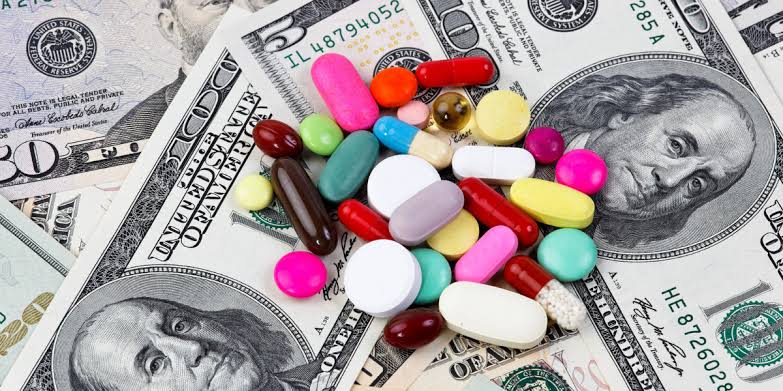
Prescription drug prices in the United States have recorded their sharpest annual decline in more than 60 years, offering a rare sign of relief for consumers facing persistently high healthcare costs. According to Bureau of Labor Statistics data, prescription drug prices fell 3.1% during the 12 months ending in July 2026, the largest annual decline since March 1963. The broader category of medicinal drugs declined 2.7%, its largest annual decrease on record.
The decline is particularly notable because it comes while many other healthcare expenses continue to increase. Medical services, hospital care and insurance remain significant sources of financial pressure for American households. Prescription medicines, however, have moved in the opposite direction, creating an unusual divergence within the healthcare sector.
Understanding what the figures represent is important. The Bureau of Labor Statistics prescription-drug index does not simply measure the list prices established by pharmaceutical manufacturers. Instead, it measures the amount pharmacies ultimately receive when filling prescriptions, including payments made directly by consumers as well as amounts covered by private insurance or Medicare Part D. Consequently, a falling index does not necessarily mean pharmaceutical companies have broadly reduced their official prices.
Several forces appear to be contributing to the decline. One important factor is the growing availability of generic medicines. When patents on major brand-name drugs expire, competing manufacturers can introduce lower-cost alternatives. The BLS eventually replaces the branded product in its pricing sample with the generic version, meaning the substantial difference between the two can register as a price decline. A number of blockbuster medications have recently lost exclusivity, potentially contributing to the unusually large decrease.
Negotiations between insurers, government programs and pharmaceutical companies may also influence the numbers. Better negotiated prices and changes in which medications consumers use can reduce what pharmacies receive for individual prescriptions, even without pharmaceutical companies making equivalent reductions to their advertised prices.
The decline also comes amid major changes in federal drug-pricing policy. Medicare’s first negotiated prices under the Inflation Reduction Act took effect in 2026, while President Donald Trump has separately pursued a “most-favored-nation” strategy intended to bring U.S. prices closer to those paid in other wealthy countries. His administration also launched TrumpRx in February as part of its effort to expand access to discounted medicines.
However, health-policy experts caution against attributing the historic decline entirely to recent Trump administration policies. The administration’s most-favored-nation pricing models had not yet launched in a form capable of explaining the drop, according to Vanderbilt University health-policy researcher Stacie Dusetzina.
The development nevertheless represents an important change in a country where prescription affordability has long been a major economic and political issue. Americans historically pay substantially more for many medicines than patients in comparable wealthy nations, making sustained price reductions potentially significant for household finances.
Whether the decline represents a lasting transformation or a temporary statistical shift remains uncertain. Much will depend on generic competition, insurance negotiations, Medicare pricing reforms and future federal policies. But the July figures mark a striking milestone: after decades in which rising pharmaceutical costs became almost routine, U.S. prescription drug prices are moving sharply downward—at least for now.