
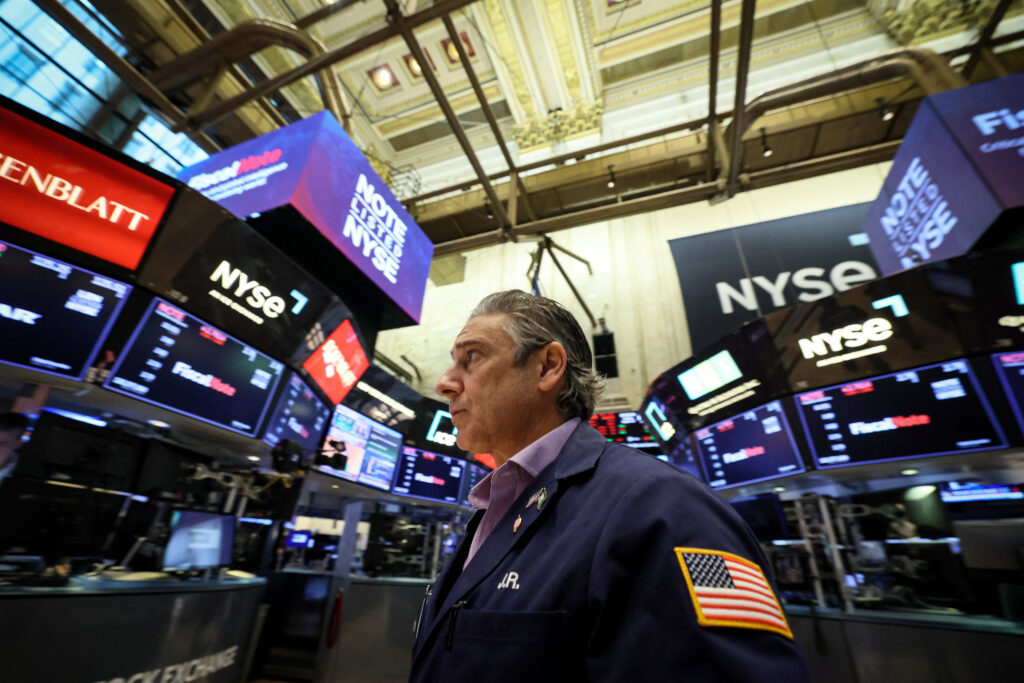
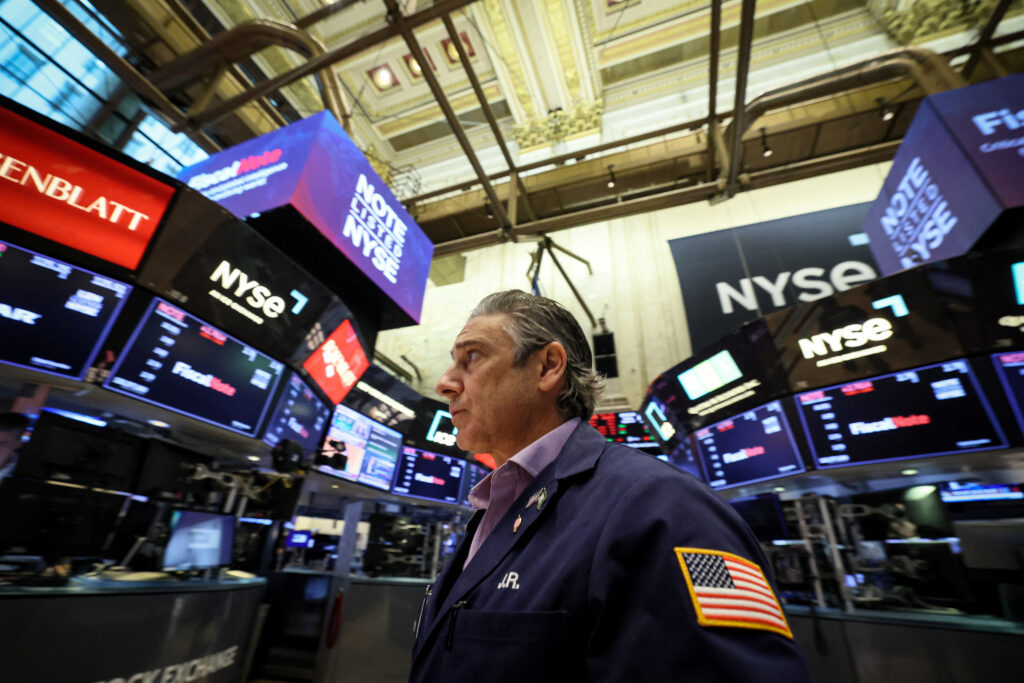
Wall Street is heading into a critical first-quarter earnings season that may determine whether the stock market can stay resilient despite the economic risks created by the war involving Iran. Investors are looking for proof that strong corporate profits can continue to support U.S. equities even as higher energy prices and geopolitical uncertainty threaten to weaken business conditions. The broad concern is simple: if earnings stay strong and company guidance remains upbeat, stocks may hold up. But if the conflict starts to damage fundamentals, market confidence could erode quickly.
The reporting season begins with major U.S. banks, which investors will watch closely for clues about the health of the economy. Goldman Sachs is due to report next Monday, followed by JPMorgan, Wells Fargo and Citigroup on Tuesday. These results matter not only because banks are large market players, but because their commentary can reveal how consumers and businesses are behaving under growing economic pressure. Investors want to know whether households are still spending, whether companies are still borrowing and investing, and whether any signs of slowdown are beginning to appear.
So far, expectations for profits remain strong. Overall S&P 500 earnings are expected to rise about 14% from a year earlier in the first quarter, according to LSEG IBES estimates. If that happens, it would mark the sixth straight quarter of double-digit earnings growth, the longest such streak since 2011. That strength has helped support the bullish case for stocks even as the war and oil-price shock have unsettled markets. Some analysts have actually become more optimistic about full-year profits, with expected 2026 S&P 500 earnings growth rising to more than 19%, up from about 15% in late February.
Still, the market is entering earnings season with what strategists described as a “high bar.” One of the biggest questions will be whether company executives keep those optimistic forecasts intact or begin cutting guidance because of rising costs and uncertainty. Surging oil prices are a major concern because they can raise expenses for businesses across many industries while also squeezing consumer spending. Even after pulling back somewhat following the U.S.-Iran ceasefire deal, U.S. crude remains up about 70% this year, which means the inflationary risk is still very real.
The stock market itself has shown surprising durability. S&P 500 had recovered nearly all of its decline since the U.S. and Israel began military strikes in late February and was down less than 1% over that period. Optimism about a two-week ceasefire between the United States and Iran helped calm investors, but markets are still highly sensitive to any new developments in the Middle East. In other words, equities have bounced back, but they remain vulnerable if the geopolitical situation worsens again.
The earnings outlook also varies sharply across sectors. The technology sector is expected to drive much of the profit growth, with earnings projected to rise more than 40%, while healthcare sector earnings are expected to fall about 10%. That gap suggests market leadership could remain concentrated in tech, which has already carried much of Wall Street’s strength, while other parts of the market may look weaker. Major non-bank reports next week include Netflix, Johnson & Johnson and PepsiCo, giving investors a wider view of consumer healthcare performance and corporate pricing power.
Outside of company earnings, investors will also focus on the U.S. producer price index. That data could help show whether the oil shock is starting to filter through the broader economy. Strategists said that oil-driven inflation often takes time to spread, meaning the war’s biggest economic effects may still lie ahead if the conflict drags on.
Overall, the coming week is a real test for Wall Street’s optimism. The market has been able to look past the war so far because earnings estimates have stayed strong. But that confidence now depends on whether companies confirm the profit story and show they can withstand higher energy costs, inflation pressure and geopolitical instability without a serious hit to growth.