The U.S. Supreme Court has allowed the Trump administration to end temporary protected status, or TPS, for migrants from Haiti and Syria, a major immigration ruling that could expose hundreds of thousands of people to deportation and deepen legal and political conflict over humanitarian protections. The Court’s ruling was 6-3, overturning lower-court orders that had blocked the administration from moving quickly to terminate the program for these groups.
TPS is a humanitarian program that lets people from certain countries remain in the United States when returning home would be dangerous because of war, natural disaster, or other extraordinary conditions. TPS currently protects about 1.3 million people from 17 countries in total. In this case, the ruling specifically allows the administration to end protections for migrants fleeing violence and disaster in Haiti and Syria, two countries long associated with severe instability and humanitarian crises.
The immediate effect is significant. The decision exposes hundreds of thousands more people to possible deportation and that lower courts had previously delayed the end of the program for about 350,000 Haitians and 6,000 Syrians. Those delays are now effectively swept aside by the Supreme Court’s action, giving the Department of Homeland Security a path to move ahead much faster.
The ruling is part of a broader immigration push by Trump’s second administration. Since Trump returned to the White House in January 2025, Homeland Security has moved to end deportation protections for people from 13 countries, including some protections that had existed for more than a decade. The Court had already sided with the administration in a similar case involving Venezuelans, so this latest order fits a wider effort to narrow humanitarian relief and expand the pool of migrants who can be removed.
Politically, the administration treated the outcome as a major win. Deputy White House Chief of Staff Stephen Miller called it “a victory 10 years in the making” and said it would allow Haitian migrants to “finally” be removed. That language shows how central TPS rollbacks have become to Trump’s immigration agenda, which aims not only to tighten border enforcement but also to reverse protections already granted to migrants living inside the country.
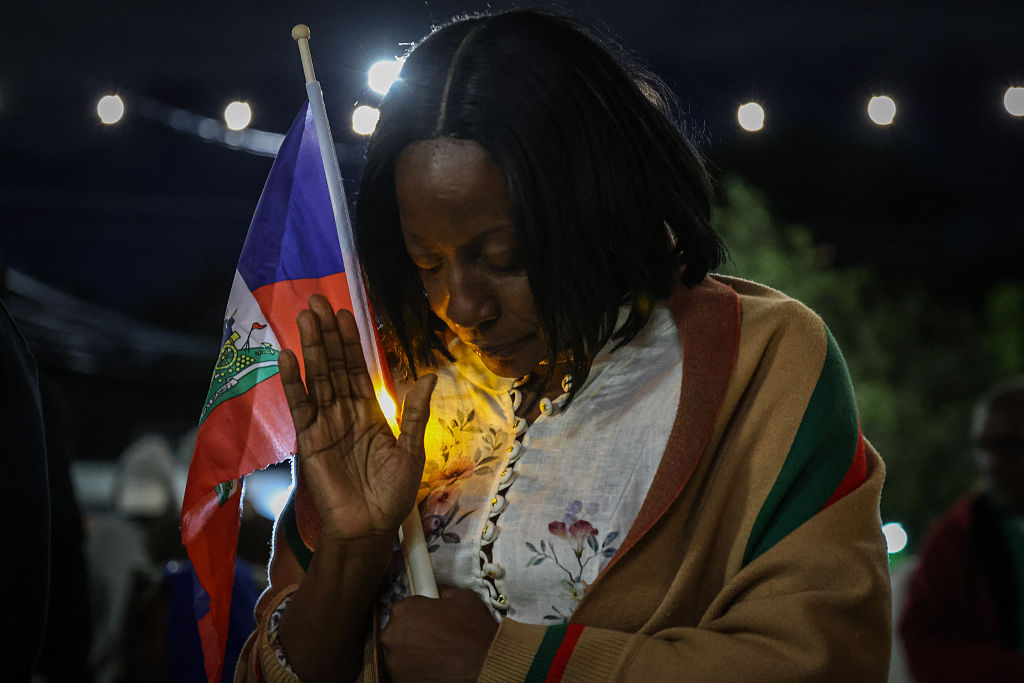
Opponents say the human consequences could be severe. Lawyers for Haitian immigrants said tthat sending people back would put lives at risk and argued the ruling could lead to “thousands of innocent people dying violent, needless deaths.” Community leaders also described the decision as plunging families into uncertainty. Viles Dorsainvil, who runs a support center for Haitians in Springfield, Ohio, saying the ruling has effectively put ordinary life on hold for families whose children are in school and whose parents are working.
The ruling also increases pressure on Congress. Lawyers urged the Senate to approve a House-passed extension of deportation protections for Haitians that cleared the House in April on a rare bipartisan vote. That means the battle is no longer only in the courts; it is also moving into Congress, where lawmakers will face renewed pressure to decide whether humanitarian protections should be preserved legislatively even if the administration is allowed to end them administratively.
The decision was both a legal turning point and a humanitarian shock. By allowing Trump to end TPS for Haitians and Syrians, the Supreme Court has strengthened presidential control over immigration protections while throwing the futures of many longtime U.S. residents into doubt. The result is likely to intensify fights over deportation, humanitarian policy, and the limits of executive power in immigration law.