
A rapidly expanding cyclospora (cyclosporiasis) outbreak in the United States is significantly affecting consumer behavior, causing many Americans to avoid restaurants and purchase less fresh lettuce as concerns over food safety spread. The outbreak, linked primarily to contaminated iceberg lettuce served at some Taco Bell locations and sourced from Taylor Farms’ operations in central Mexico, has evolved from a public health emergency into an economic challenge for restaurants, grocery stores and produce suppliers.
According to federal and state health authorities, the number of illnesses continues to rise. More than 6,700 laboratory-confirmed cases and over 11,500 suspected infections have been reported nationwide, making it one of the largest cyclospora outbreaks recorded in the United States. Michigan has been particularly affected, accounting for thousands of suspected cases and numerous hospitalizations, although no deaths have been reported. Public health officials continue investigating whether foods other than iceberg lettuce, including herbs such as parsley and cilantro, may also have contributed to the outbreak.
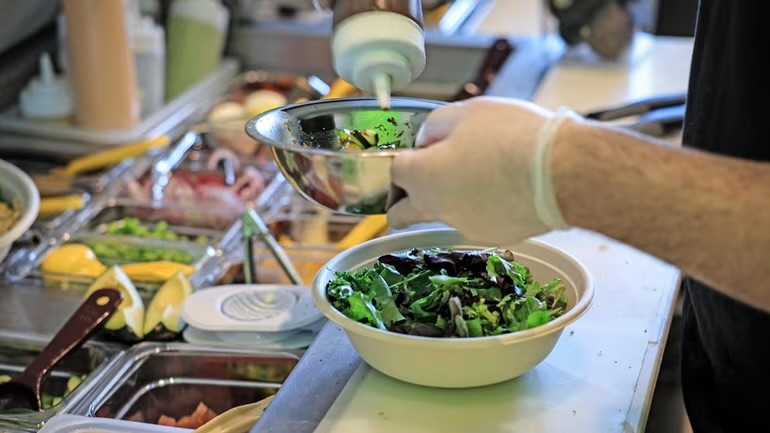
The growing concern has had an immediate impact on consumer spending. Data from market researchers and foot-traffic analysts show that visits to restaurant chains known for salads or lettuce-heavy menu items have declined noticeably. Taco Bell has experienced the steepest drop in customer traffic after voluntarily removing potentially contaminated lettuce from affected restaurants. Other chains, including Panera Bread, Chipotle, Chopt and Sweetgreen, have also reported fewer customers as consumers become increasingly cautious about eating fresh produce outside the home.
Retail grocery sales have also weakened. Fresh lettuce purchases fell sharply over recent weeks as shoppers avoided leafy vegetables despite the absence of evidence that all lettuce products are unsafe. Industry analysts say fear often spreads faster than scientific findings during foodborne illness outbreaks, causing consumers to reduce purchases across an entire product category rather than only avoiding recalled items. Some supermarkets have responded by highlighting product origins and strengthening food safety messaging to reassure customers.
Produce growers unaffected by the outbreak are attempting to restore public confidence. Companies such as Little Leaf Farms emphasize that their lettuce is grown in controlled greenhouse environments with filtered water, strict sanitation procedures and minimal exposure to outside contamination. Industry representatives hope these production methods will distinguish their products from those associated with the current investigation and encourage consumers to return to purchasing fresh vegetables.
Health experts caution against abandoning vegetables altogether. Nutrition specialists note that leafy greens remain an important source of vitamins, minerals and fiber, and they stress that the benefits of eating vegetables continue to outweigh the risks for most consumers. Instead of avoiding salads entirely, experts recommend following FDA recall notices, purchasing produce from trusted suppliers and practicing safe food handling at home while investigations continue.
Meanwhile, restaurants and food distributors are tightening procurement practices. Many companies have stopped purchasing produce from parts of central Mexico until investigators better understand the source of contamination. These precautions are intended to reduce further illnesses but could temporarily disrupt produce supply chains and increase costs for food-service businesses.
The outbreak has also renewed debate over the resilience of the U.S. food safety system. Public health experts argue that identifying contaminated produce is especially difficult because Cyclospora infections often appear weeks after exposure, making it challenging to trace illnesses back to a single supplier. The investigation continues as federal agencies work with state health departments and the agricultural industry to determine whether additional products are involved.
Overall, the outbreak demonstrates how a food safety crisis can quickly ripple beyond public health into consumer confidence and the broader economy. Even businesses not directly connected to contaminated products are experiencing lower sales as shoppers become more cautious. Officials hope that continued investigations, transparent communication and stronger safety measures will help restore confidence while preventing additional illnesses.