An experimental gene-editing therapy has produced substantial and lasting reductions in dangerous blood fats after only a single treatment, offering early evidence that CRISPR technology could eventually transform how some severe cholesterol disorders are treated.
Researchers from the Cleveland Clinic reported that a one-time infusion of the experimental therapy CTX310 reduced LDL cholesterol — commonly known as “bad” cholesterol — by more than half in patients receiving the highest dose. Triglycerides fell by nearly half as well.
Most importantly, those reductions remained evident one year after treatment.
The first-in-human Phase 1 trial involved 15 people whose lipid disorders had not responded adequately to existing medications. Participants received different doses of CTX310 ranging from 0.1 to 0.8 milligrams per kilogram.
At the highest dose, LDL cholesterol declined by an average of 52.5% from baseline after 12 months, while triglycerides dropped 47.8%.
The treatment works by editing a gene called ANGPTL3, which plays an important role in regulating fats circulating through the bloodstream.
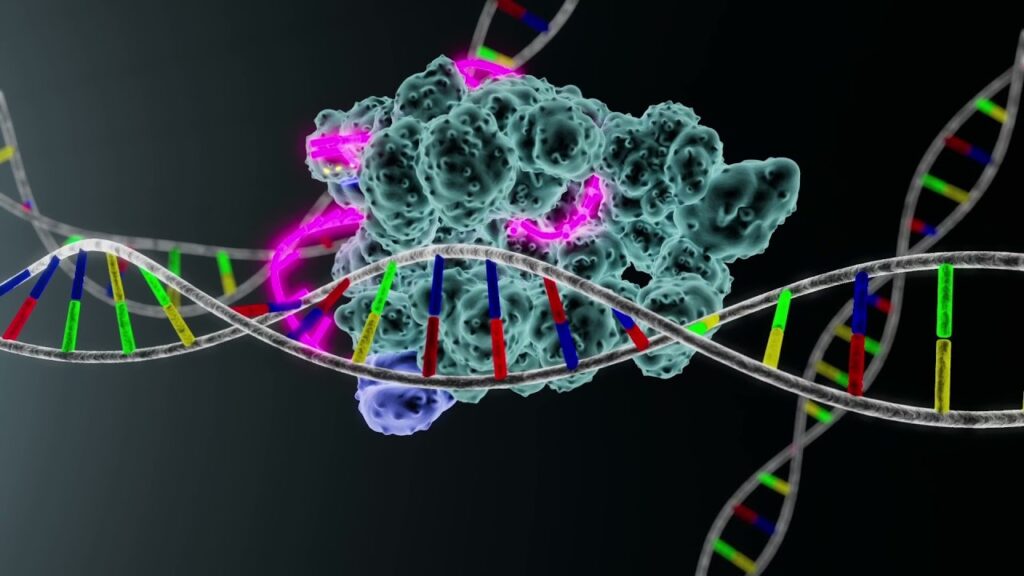
CTX310 delivers CRISPR-Cas9 gene-editing machinery to cells in the liver. Once there, the treatment is designed to permanently switch off ANGPTL3. People who naturally have reduced ANGPTL3 activity tend to have lower levels of LDL cholesterol and triglycerides, making the gene an attractive therapeutic target.
The concept is fundamentally different from conventional cholesterol treatments.
Statins and newer injectable medications can significantly reduce LDL, but patients generally need to continue taking them indefinitely. A successful gene-editing therapy could potentially provide prolonged benefits following a single procedure because it changes the underlying DNA involved in regulating blood fats.
Researchers also reported encouraging preliminary safety findings.
No serious adverse events related to CTX310 were identified during the first year of follow-up. Before receiving the infusion, participants were given corticosteroids and antihistamines to reduce the possibility of treatment-related reactions.
However, the study remains at an extremely early stage.
Only 15 patients participated, meaning the trial is far too small to establish the therapy’s long-term safety or determine whether lowering cholesterol through this approach actually prevents heart attacks, strokes or cardiovascular deaths.
Gene editing also creates special safety considerations because the changes are intended to be permanent.
Researchers therefore plan to monitor participants for another 15 years, following FDA recommendations for patients receiving gene-editing therapies.
The findings were presented at the 2026 European Society of Cardiology annual meeting and simultaneously published in the New England Journal of Medicine. The research was funded by CRISPR Therapeutics, the company developing CTX310, and the Cleveland Clinic received research funding from the company.
The results nevertheless represent another important milestone for CRISPR medicine.
Gene-editing therapies have already begun moving from experimental laboratories into clinical medicine, particularly for inherited diseases. CTX310 suggests the technology could eventually expand into cardiovascular medicine, potentially addressing conditions affecting much larger populations.
The next challenge will be demonstrating the treatment’s safety and effectiveness in substantially larger clinical trials.
If those studies confirm the early findings, the implications could be significant: instead of continuously controlling dangerous cholesterol with lifelong medication, doctors might eventually be able to modify one of its biological drivers with a single gene-editing treatment capable of producing effects lasting for years.