The crew of NASA’s Artemis II mission achieved another historic first as they headed back to Earth from the moon: a live radio conversation with astronauts aboard the International Space Station. The call took place on Tuesday, April 7, 2026, after the four Artemis II astronauts completed their lunar flyby and began the return leg of their mission. The moment was significant not because it changed the course of the flight, but because it marked the first time astronauts traveling near the moon directly linked up with people living and working aboard another spacecraft in orbit around Earth.
This was the first “moonship-to-spaceship” radio link in history. During the Apollo era in the 1960s and 1970s, astronauts traveling to the moon had no such off-planet company. The Artemis II mission, by contrast, is unfolding in a much more interconnected era of spaceflight, where long-distance communication between multiple crews in different parts of space is now possible. That alone made the exchange symbolic of how human exploration has evolved since the last moon missions more than half a century ago.
The emotional heart of the story centered on the reunion between Artemis II astronaut Christina Koch and International Space Station astronaut Jessica Meir. The two women previously made history together in 2019 when they carried out the world’s first all-female spacewalk outside the space station. This time, they were separated by about 230,000 miles, or 370,000 kilometers, but still shared a deeply personal exchange. Koch told Meir that she had always hoped they would be in space together again, though she never imagined it would happen in such a dramatic way. Meir replied that she was happy they were back in space together, even if they were “a few miles apart.”
The call was arranged by Mission Control in Houston and connected the four Artemis II astronauts with the station’s current crew of three NASA astronauts and one French astronaut. Artemis II commander Reid Wiseman opened the exchange with excitement, saying the crew had been waiting for the moment eagerly. The conversation helped highlight the larger meaning of Artemis II: it is not only a test of spacecraft systems and deep-space operations, but also a public demonstration of a new era in which human spaceflight includes overlapping missions, shared communities, and more visible international cooperation.
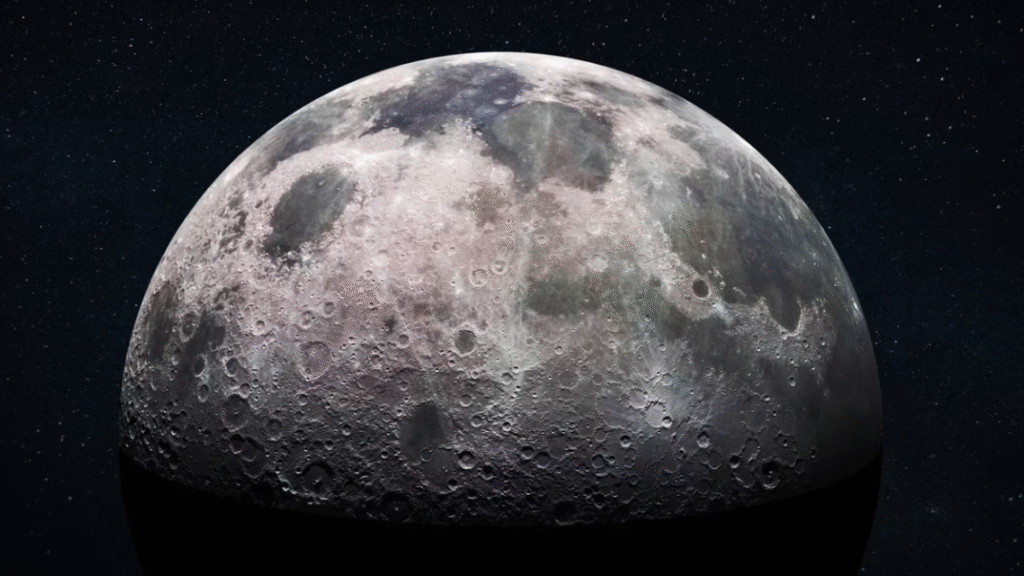
The astronauts had transmitted more than 50 gigabytes of images and other data back to Earth from their lunar encounter. One of the highlights was an “Earthset” image, echoing the famous Apollo 8 “Earthrise” photo from 1968. Koch described the experience of seeing Earth from lunar distance as deeply moving, saying it emphasized both the darkness surrounding the planet and the fragile sameness shared by everyone living on it. She told the station crew that seeing Earth from that perspective made its “specialness and preciousness” even more obvious.
In that sense, the long-distance call was more than a technical novelty. It linked two generations of space exploration at once: the renewed push toward the moon through Artemis and the continuing everyday work of life aboard the International Space Station. Artemis II is already producing not just engineering milestones, but also moments of human connection that make deep-space travel feel less remote and more collective. As the crew heads home, the mission is helping redefine what modern exploration looks like: not isolated heroism, but a network of astronauts, spacecraft, and shared experience stretching from Earth orbit to the moon and back.