
A coalition of 21 U.S. states and the District of Columbia has filed a federal lawsuit against President Donald Trump’s administration, challenging its decision to eliminate corporate ownership reporting requirements for most American businesses.
The lawsuit, filed October 27, 2026, in the U.S. District Court for the District of Oregon, argues that the administration unlawfully weakened a federal law designed to combat money laundering, financial fraud and other illicit activities.
The dispute could have significant implications for corporate transparency, regulatory authority and the federal government’s ability to identify individuals who secretly control businesses.
The controversy centers on the Corporate Transparency Act, legislation enacted in 2021 to make it harder for criminals to conceal their identities behind anonymous companies.
The law required certain businesses to disclose information about their beneficial owners to the Financial Crimes Enforcement Network, or FinCEN, a division of the U.S. Treasury Department.
Beneficial owners generally include individuals who control at least 25% of a company or exercise substantial influence over its operations. These disclosures were intended to help authorities investigate suspicious financial transactions and identify individuals connected to shell companies.
However, in August 2026, the Trump administration finalized regulations exempting American companies and individuals from most of these reporting obligations.
The administration argued that the requirements created unnecessary compliance expenses for millions of legitimate businesses. The coalition, composed largely of Democratic-led states, contends that the executive branch exceeded its legal authority by effectively dismantling a law passed by Congress.
According to the lawsuit, the new regulations exempt more than 99.9% of businesses originally covered by the reporting requirements. State officials argue that such a sweeping exemption fundamentally undermines the legislation’s purpose.
They maintain that the administration cannot use regulatory changes to eliminate statutory obligations without congressional authorization.
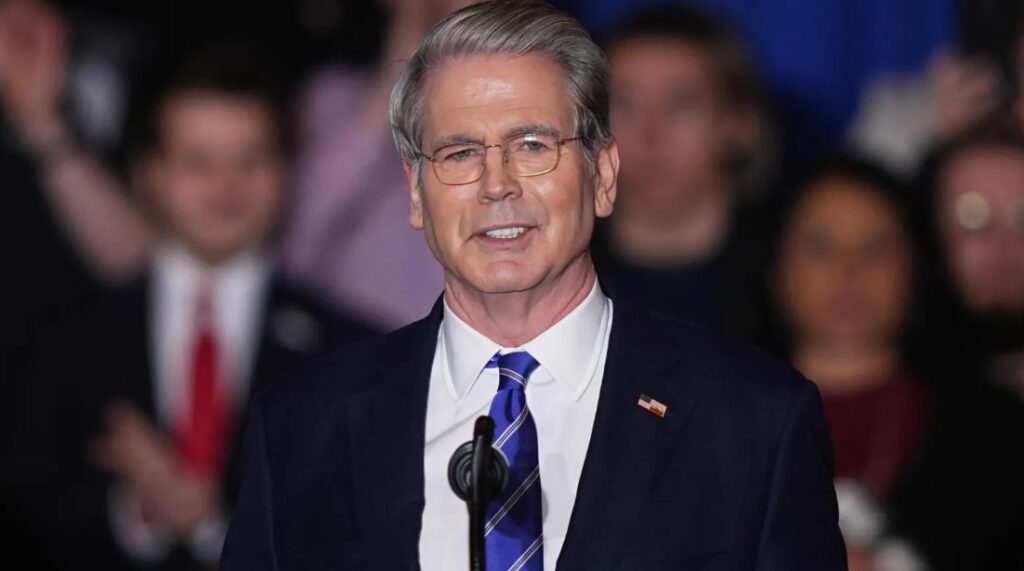
The lawsuit names Treasury Secretary Scott Bessent, the Treasury Department and FinCEN as defendants, along with the heads of the Justice and Homeland Security departments. The states are asking the federal court to overturn the regulations and restore the reporting framework established under the original law.
New York Attorney General Letitia James, one of the officials supporting the lawsuit, warned that the changes could allow individuals controlling domestic and foreign shell companies to remain unidentified.
Critics argue that anonymous corporate structures can facilitate money laundering, sanctions evasion, fraud and organized criminal activity.
Massachusetts Senator Elizabeth Warren has also criticized the rollback, warning that weaker disclosure requirements could make it easier for criminal organizations to move money through the American financial system.
Supporters of stronger reporting rules believe identifying the individuals behind corporate entities is essential to financial investigations. However, the lawsuit does not establish that the regulatory changes have already caused an increase in financial crime.
Treasury Secretary Scott Bessent has defended the policy as an effort to reduce administrative burdens on legitimate business owners. The administration maintains that removing unnecessary paperwork will help businesses operate more efficiently without compromising national security.
Small-business advocates have previously raised concerns about compliance costs, privacy and the complexity of ownership reporting obligations.
Under the revised framework, certain foreign companies remain subject to disclosure requirements, although reporting obligations involving American owners have also been reduced. The dispute raises a broader constitutional question about the limits of executive authority over laws enacted by Congress.
A ruling favoring the states could require the administration to reconsider its exemptions and potentially restore disclosure obligations for millions of companies.
A ruling supporting the government could preserve the narrower reporting system. The outcome may also influence future disputes over how federal agencies interpret and implement congressional legislation.
Ultimately, the case represents a major confrontation between efforts to reduce business regulation and demands for stronger financial transparency, with consequences for corporate governance, law enforcement and public accountability across the United States.