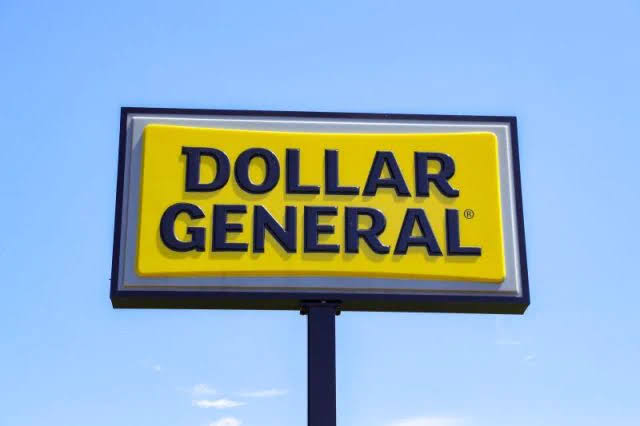
Dollar General, one of America’s largest discount retailers, is facing a major federal lawsuit accusing the company of systematically charging customers more at checkout than the prices advertised on store shelves, product labels and promotional materials.
The Federal Trade Commission (FTC), joined by attorneys general from 20 states, filed the lawsuit on October 26, 2026, alleging that the retailer’s pricing practices resulted in millions of dollars in improper charges.
The case raises significant concerns about consumer protection, corporate accountability and the financial pressures facing American families. Dollar General operates more than 21,000 stores nationwide, serving communities where access to affordable groceries and household essentials can be limited.
The company markets itself as a convenient, low-cost shopping destination, particularly for consumers managing tight budgets. However, federal regulators allege that customers frequently encountered higher prices at the register than those displayed on shelves or in advertisements.
According to the complaint, these discrepancies occurred across thousands of locations and affected millions of purchases over several years. Although individual overcharges may appear relatively small, regulators argue that their cumulative impact represents substantial financial harm.
For households living paycheck to paycheck, even minor unexpected expenses can complicate efforts to manage grocery and household budgets. The lawsuit alleges that Dollar General received tens of thousands of consumer complaints concerning inaccurate prices.
Federal investigators also cited inspections by state authorities and evidence suggesting that the company knew about recurring pricing problems. The complaint states that at least 29,265 customer complaints were recorded between January 2023 and March 2026 under a category involving failure to honor marked prices.
Regulators argue that the company’s response was insufficient despite repeated warnings. The allegations suggest that pricing discrepancies were not merely isolated mistakes but part of a broader operational problem affecting numerous stores.
The FTC maintains that businesses must ensure advertised prices accurately reflect what consumers ultimately pay.
The lawsuit was filed in the U.S. District Court for the Middle District of Tennessee, where Dollar General is headquartered. Participating states include California, Florida, Illinois, Michigan, New Jersey, Ohio, Tennessee and Wisconsin, among others.
Federal and state authorities accuse the retailer of violating consumer protection laws through misleading pricing practices. The plaintiffs are seeking a permanent court order to stop the alleged misconduct, along with financial penalties and other monetary relief.
The lawsuit follows earlier state investigations into Dollar General’s pricing accuracy. Since 2019, the company has paid millions of dollars to resolve similar disputes in several states. Those previous settlements have intensified questions about whether corrective measures were sufficiently effective.
Dollar General rejects the suggestion that it deliberately disregarded customers’ financial interests. The company says its objective is complete consistency between shelf prices and checkout totals.
It acknowledges that occasional discrepancies can occur but maintains that employees are expected to correct errors when customers identify them. Dollar General also says it has strengthened its pricing procedures in recent years.
The retailer disputes the financial demands advanced by FTC staff, describing them as disproportionate to the alleged discrepancies. Company representatives say they attempted to resolve the investigation through negotiations before litigation began.
Dollar General has pledged to vigorously defend itself in court. The lawsuit arrives as American consumers remain concerned about high living costs and the transparency of retail pricing. Consumer advocates argue that accurate shelf labels are essential because shoppers rely on advertised prices when comparing products and planning purchases.
The case could encourage stronger oversight of pricing systems across the retail industry. It may also prompt businesses to improve employee training, electronic price management and internal compliance procedures.
However, the allegations have not been proven, and the court must determine whether Dollar General violated applicable laws. Ultimately, the lawsuit highlights a fundamental principle of consumer protection: Americans should be able to trust that the price advertised on a store shelf is the price they pay at checkout