China has extended its trade truce with the United States for another two months, offering temporary relief to American exporters and international businesses while Washington and Beijing continue negotiating their economic relationship.
The decision, announced on November 9, 2026, maintains the suspension of an additional 24% tariff on American imports while preserving an existing 10% duty. The extension took effect on November 10 and will remain in place until January 10, 2027, preventing the immediate return of higher trade barriers between the world’s two largest economies.
China’s State Council confirmed that the additional 24% tariff would remain suspended for two more months. However, the announcement does not eliminate tariffs on American products. The existing 10% levy remains in effect.
The distinction is important for American manufacturers, farmers and exporters, who continue to face trade costs despite the extension. Beijing said the decision was intended to support a more stable and predictable environment for businesses operating between the two countries.
The move also reflects efforts to preserve diplomatic progress while negotiations over a broader agreement continue. China extended the suspension of special port fees imposed on vessels connected to the United States until January 10, 2027.
The government also maintained a pause on its investigation into shipping and shipbuilding supply-chain security. These measures could reduce uncertainty for international shipping companies and businesses dependent on maritime trade.
Higher port fees can increase transportation expenses, potentially affecting the prices of imported goods and the competitiveness of exporters. By postponing these measures, Beijing has temporarily reduced another source of friction in global commerce.
China also extended certain exemptions from export controls involving critical minerals and related technologies. These materials are essential to industries including electric vehicles, advanced electronics, renewable energy and defense manufacturing.
Restrictions on their availability can disrupt production and increase costs across international supply chains. Beijing additionally prolonged the suspension of restrictions affecting 27 American companies. Nevertheless, the underlying disputes remain unresolved, and the temporary measures could be reconsidered after the extension expires.
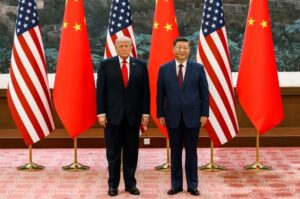
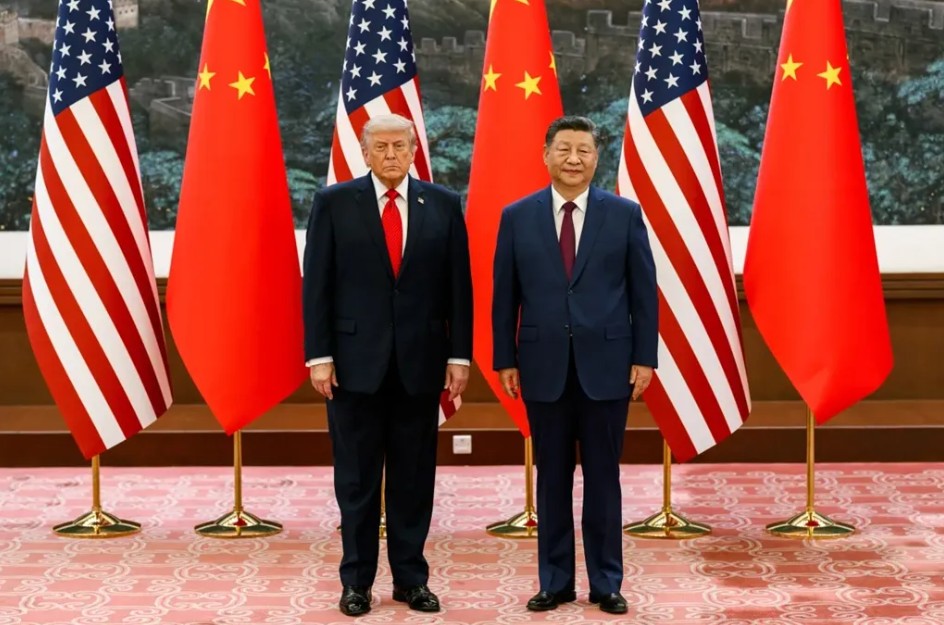
The announcement follows a September meeting in Washington between President Donald Trump and Chinese President Xi Jinping. During those discussions, the two governments proposed a package of reciprocal tariff reductions valued at approximately $60 billion.
The proposal includes roughly $17 billion in American agricultural products, based on the value China imported in 2024. However, the package has not been finalized, leaving important questions about future purchasing commitments and tariff reductions unanswered.
Trump and Xi are expected to meet again at the Asia-Pacific Economic Cooperation summit in China, creating another opportunity to advance negotiations. U.S. Treasury Secretary Scott Bessent previously indicated that extending the truce would give both governments additional time to explore economic cooperation.
Another significant issue involves American tariff policy. China has acknowledged Washington’s intention to replace certain tariffs imposed under the International Emergency Economic Powers Act with measures authorized by Section 301 of U.S. trade law.
Judicial rulings against the earlier tariffs have created uncertainty surrounding the administration’s trade strategy. Beijing said it would monitor subsequent American actions and adjust its own countermeasures when necessary.
That position suggests China remains prepared to respond if Washington introduces new restrictions. The extension offers businesses a short period of greater predictability, but it does not resolve the broader disagreements between the United States and China.
Agricultural trade, industrial competition, critical minerals and shipping remain central negotiating issues. For American farmers and manufacturers, the immediate benefit is avoiding another increase in Chinese import duties.
For global markets, the decision reduces the risk of a sudden escalation in trade tensions. China’s latest tariff extension represents a cautious step toward economic stability, but its lasting significance will depend on whether Washington and Beijing can transform temporary concessions into a durable trade agreement before January 2027.