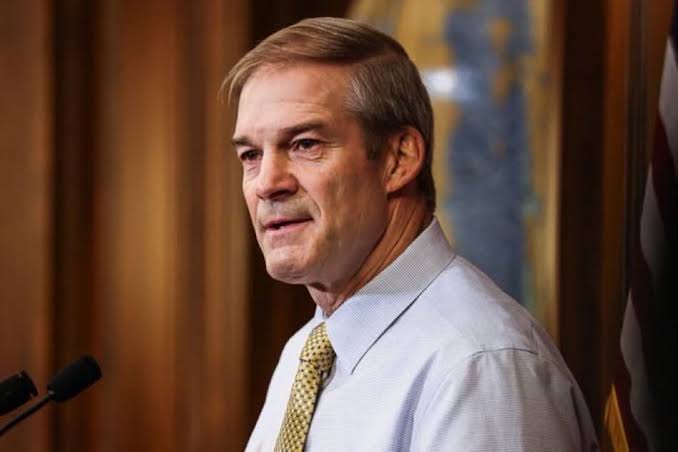
Republicans in the U.S. House of Representatives have elected Ohio Congressman Jim Jordan as their next minority leader, marking a significant leadership transformation following the party’s devastating losses in the November 2026 midterm elections.
Jordan, one of President Donald Trump’s most outspoken congressional allies, defeated Louisiana Representative Steve Scalise in a secret-ballot election on November 10. The vote, 106–73, demonstrated Republican lawmakers’ preference for a more confrontational political strategy as Democrats prepare to control both chambers of Congress.
Jordan will assume his new leadership position when the 120th Congress convenes in January 2027. The leadership election followed a major electoral setback that cost Republicans control of the House and Senate.
House Speaker Mike Johnson announced that he would step away from leadership after the election results, opening the way for a contest between Jordan and Scalise.
Scalise, the current House majority leader, represented continuity with the party’s established leadership. Jordan instead appealed to conservatives demanding a more aggressive response to Democratic control of Congress. His victory signals a willingness among Republican lawmakers to embrace a combative approach rather than move toward the political center.
Jordan has represented Ohio in Congress since 2007 and helped establish the House Freedom Caucus in 2015. The organization became influential by advocating limited government, reduced federal spending and uncompromising conservative policies.
Jordan’s national profile grew through his opposition to Democratic investigations of Trump and his prominent role on congressional committees. As chairman of the House Judiciary Committee, he has frequently challenged federal prosecutors, government agencies and Democratic lawmakers.
His confrontational style has earned him strong support among conservative Republicans while attracting criticism from political opponents. One of Jordan’s immediate challenges will be responding to investigations that Democrats have promised to launch into Trump’s second administration.
With control of congressional committees, Democrats will gain greater authority to hold hearings, demand documents and issue subpoenas. Potential investigations could examine executive branch decisions, government spending and the conduct of administration officials. Jordan is expected to coordinate Republican opposition to these efforts.
His experience challenging congressional investigations could make him a central figure in defending the administration. However, Republican lawmakers will have fewer procedural tools available once they enter the minority.
Democratic representatives argue that Jordan’s election demonstrates the Republican Party’s continued commitment to hardline conservative politics despite its electoral losses. Some Democrats contend that voters rejected the administration’s direction and that Republicans should reconsider their political priorities.
Jordan’s supporters disagree, arguing that the party needs stronger messaging and more determined leadership. The disagreement reflects a broader debate over whether Republicans should moderate their positions or intensify opposition to Democratic policies.
Jordan will work alongside South Dakota Senator John Thune, who was reelected as the Senate Republican leader. Their approaches differ in important ways. Jordan is known for aggressive political confrontation, while Thune has generally emphasized institutional experience and legislative negotiations.
The two leaders will need to coordinate Republican strategy while managing different political pressures in their respective chambers. Beyond confronting Democrats, Jordan faces the challenge of rebuilding Republican support before the 2028 congressional elections.
The party must recover from substantial losses, recruit competitive candidates and develop a message capable of attracting voters beyond its conservative base. Democrats, meanwhile, will attempt to advance their legislative priorities and exercise greater oversight of the Trump administration.