
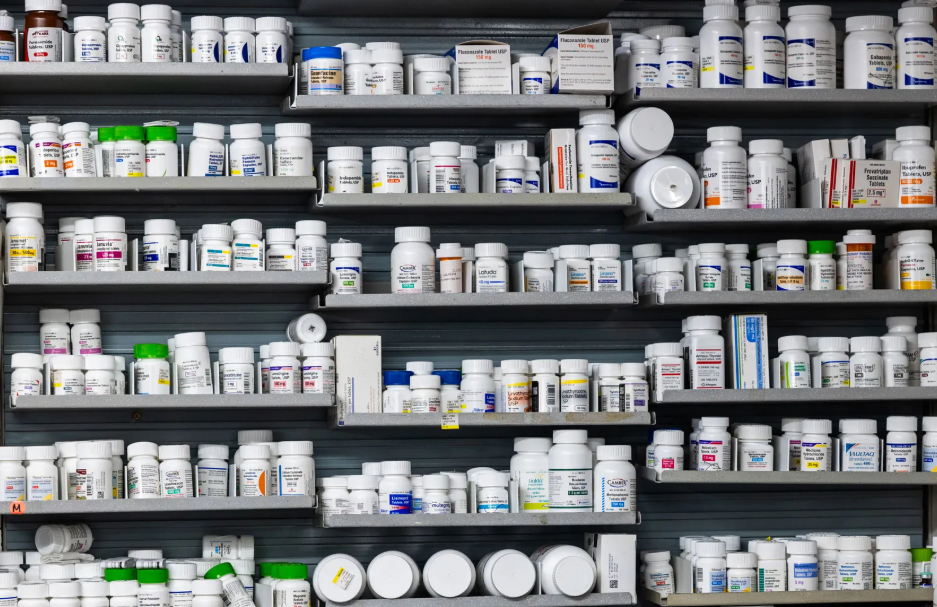
The Trump administration is proposing a new Medicare rule aimed at stopping hospitals from charging large markups on discounted prescription drugs, a move the White House says could save patients $1.1 billion next year. The proposal would change how hospitals are reimbursed for certain medicines purchased through the federal 340B drug discount program, which is intended to help hospitals that serve low-income patients.
The core issue is how the 340B program works. Eligible hospitals can buy outpatient prescription drugs at steep discounts, but in many cases they can bill insurers, including Medicare, at much higher rates and keep the difference. The administration argues this practice raises costs for patients and taxpayers while allowing hospitals to profit from a program that was originally meant to improve access for vulnerable communities. Under the proposed rule, the Centers for Medicare & Medicaid Services would change the reimbursement formula for hospitals participating in the program so that patients are less exposed to those markups.
Politically, the rule fits into a broader affordability message from the administration.Trump team is trying to show in an election year that it is addressing the cost pressures facing American families, especially as healthcare remains one of the biggest sources of financial strain for both households and the federal government. The administration has taken several recent steps it says will cut medical costs, and this proposal is being framed as another example of that effort.
The argument from the White House is straightforward: if hospitals are receiving a discount on drugs, Medicare patients should see the benefit rather than paying inflated prices built on top of that discount. In this view, the current setup has drifted away from its original purpose and created a loophole that encourages hospitals to generate revenue from drug pricing spreads instead of simply using the discount to support care for underserved patients. That interpretation leads to patients facing higher costs because hospitals can keep the difference.
Hospitals, however, are already pushing back. The American Hospital Association said that the proposal could intensify the financial pressures many hospitals are already facing. The group warned that reducing this revenue stream could undermine hospitals’ ability to maintain essential services and preserve affordable access to care, especially in communities that depend heavily on facilities participating in the 340B program. Ashley Thompson, the AHA’s senior vice president for public policy analysis and development, said the proposal could weaken hospitals’ finances in ways that ripple through the areas they serve.
That opposition points to the central tension in the debate. Supporters of the rule see it as a needed correction to a pricing system that has allowed hospitals to benefit from discounts without passing enough of the savings to patients. Opponents argue that the extra revenue helps hospitals fund broader services, including care for poorer and sicker populations, and that cutting it may hurt the very safety-net institutions the 340B program was designed to support. It remains unclear how much of the promised savings will ultimately materialize in practice.
The proposal is an attempt to rewrite one part of the relationship between Medicare, hospitals and drug pricing. If adopted, it could lower what some patients pay for medicines and reduce federal spending, but it will also trigger a major fight with hospital groups that depend on 340B-related revenue. The broader question is whether the rule truly fixes a pricing distortion or simply shifts financial pressure from patients onto hospitals already under strain.